
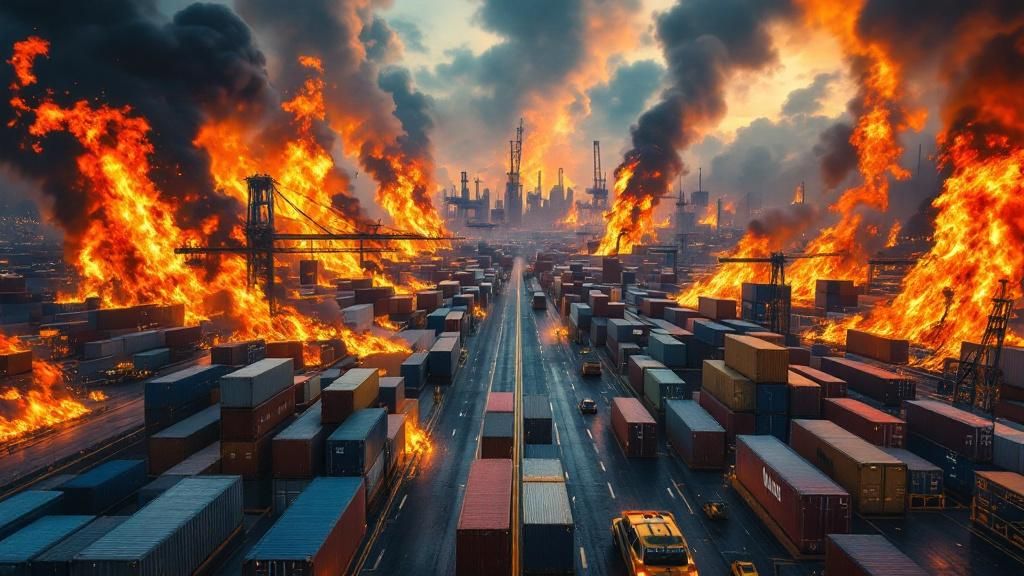
The global trade landscape has declined significantly as the world’s leading economies introduce increasingly aggressive tariff regimes, setting off a series of counter-measures that risk undermining decades of economic cooperation. From transatlantic disputes to friction in the Asia-Pacific area, protectionist policies are transforming international commerce and prompting alarm amongst economists and policymakers alike. This report examines the intensifying trade conflict, its root causes, and the likely impacts for enterprises and buyers globally.
Increasing Protectionism and Economic Impact
The resurgence of protectionist policies marks a major transformation in how leading countries approach cross-border trade. Governments are steadily emphasising domestic industries over free trade principles, raising worries about workforce displacement and national security. This trend has emerged via substantial tariff increases on foreign products, especially within sectors such as steel, aluminium, and electronics. The consequences reach past simple price changes, potentially undermining logistics systems that have been painstakingly developed over many years, eventually impacting enterprises across the spectrum across multiple continents.
Financial analysts caution that mounting trade barriers could significantly hinder worldwide economic expansion and consumer purchasing power. When tariffs are imposed, expenses generally flow across supply chains, resulting in higher prices for consumers and reduced profit margins for companies. Furthermore, counter-tariffs create uncertainty in trading environments, deterring investment and innovation. The IMF has cautioned that sustained tariff disputes could reduce global economic expansion, especially affecting emerging economies that depend heavily on trade-based growth models. These linked effects underscore the precarious state of contemporary international trade.
Major Stakeholders and Tactical Approaches
The mounting tariff crisis affects the world’s largest economies, each pursuing separate strategic objectives to shield domestic industries and gain strategic positioning. The United States, European Union, and China represent principal protagonists, with other nations including Japan, India, and the United Kingdom introducing aligned policies. These nations’ approaches reflect competing financial goals, strategic concerns, and internal political demands, jointly escalating global trade tensions and creating unprecedented uncertainty for multinational corporations and supply chain operators worldwide.
US Trade Policy Shifts
The United States executive branch has adopted a protectionist approach, levying significant duties on Chinese goods, steel, and aluminium imports whilst warning of extra levies on automobiles from Europe and farm produce. These measures aim to decrease America’s ongoing trade deficit and reinvigorate manufacturing sectors at home harmed by decades of globalisation. Policy leaders maintain that strategic tariffs defend national interests and level the playing field against unfair foreign trading practices, particularly regarding IP theft and mandatory technology transfer.
American businesses encounter significant uncertainty about upcoming tariff arrangements and possible retaliation from trading partners. Manufacturing sectors such as automobiles, agriculture, and technology have mobilised significant lobbying efforts against suggested tariffs that undermine profitability and competitiveness. The administration’s erratic policy direction has produced uncertainty in financial markets, causing firms to reconsider supply chain approaches and explore moving production facilities to tariff-advantaged jurisdictions.
- Impose tariffs on Chinese goods surpassing $300 billion per year
- Establish steel and aluminium duties influencing friendly nations considerably
- Threaten extra tariffs on cars from Europe and agricultural shipments
- Emphasise two-country trade deals rather than multilateral frameworks
- Employ tariff warnings as bargaining power in trade discussions
Global Economic Implications
The intensifying tariff conflicts have triggered considerable volatility across worldwide financial markets, with equity indices recording considerable movements as investors reassess growth prospects. Currency markets have turned increasingly unstable, reflecting concerns about forthcoming trade policies and their implications for corporate profitability. Multinational enterprises, particularly those dependent upon international supply chains, face escalating pressure as production costs rise and consumer demand weakens. Analysts expect that prolonged trade tensions could reduce worldwide gross domestic product growth, potentially triggering economic slowdown across mature and emerging economies alike.
Consumer-facing industries confront particularly acute challenges, as tariff-induced price increases undermine purchasing power and demand elasticity. Manufacturing sectors dependent on imported raw materials and components face compressed margins, whilst agricultural producers contend with retaliatory restrictions on exports. Financial institutions have begun tightening credit conditions amid heightened macroeconomic uncertainty, potentially constraining investment and employment growth. Policymakers globally must navigate this challenging environment whilst preserving economic stability and employment levels, necessitating coordinated diplomatic efforts to ease hostilities and restore confidence in multilateral trade frameworks.
